Nutritional
Architecture
Granel applies compositional analysis and documented whole-food methodology to the formation of lasting dietary patterns. Precision-led. Evidence-informed. Structured for daily practice.
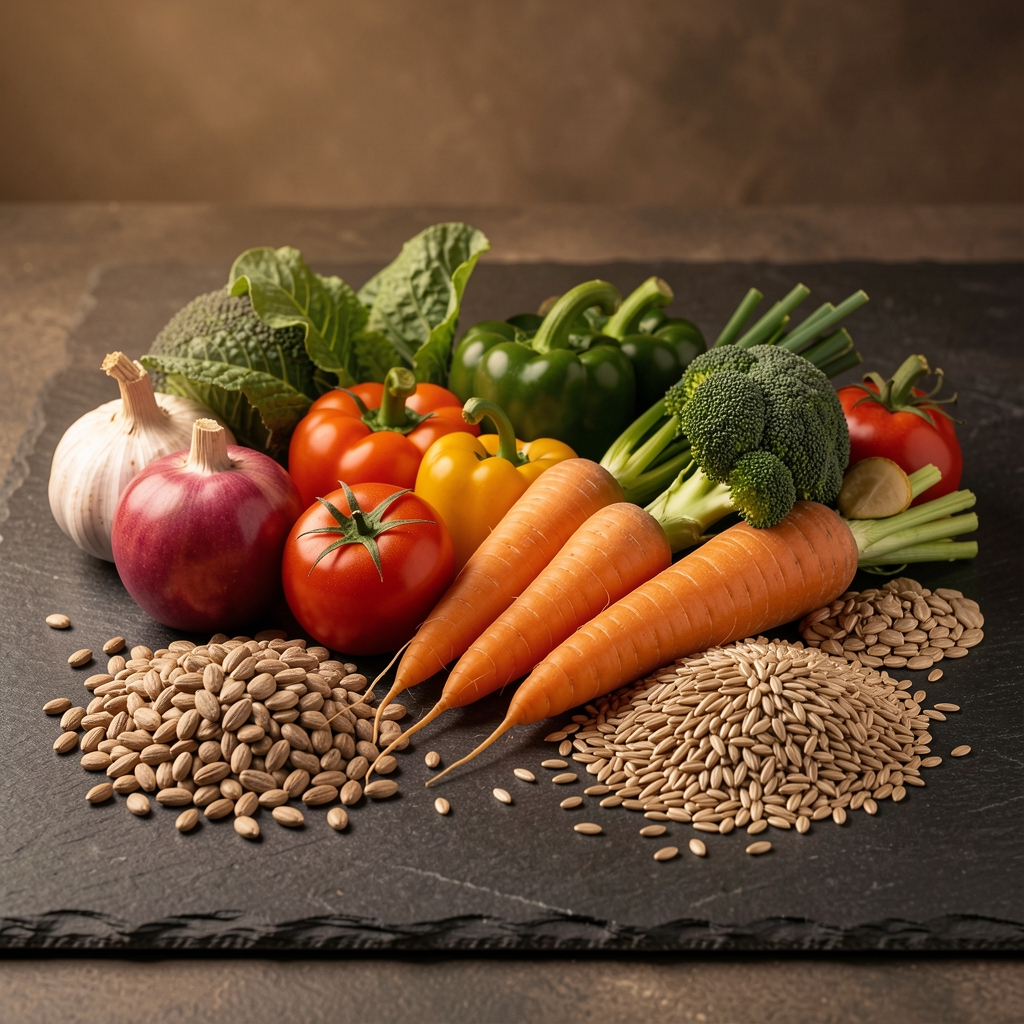
Grounded in
measurement and method.
Each practice area draws on a documented framework: intake records, food-quality assessments, and composition reviews conducted with precision.
Dietary Composition Analysis
Systematic recording of daily intake across macronutrient groups, micronutrient density evaluation, and compositional profiling relative to individual baseline requirements.
View DetailsMeal Planning Architecture
Structured weekly meal planning built around seasonal produce cycles, verified ingredient provenance, and portion methodology calibrated to activity level and energy expenditure data.
View DetailsWhole-Food Habit Formation
Documented protocol for building durable eating patterns around minimally processed whole foods, with intake tracking and periodic composition reviews to verify adherence and adjust targets.
View DetailsWeight Management Guidance
Quantified approach to weight management combining energy-balance documentation, portion control calibration, and structured follow-up reviews. No shortcuts; a methodical intake-adjustment protocol.
View DetailsSport & Active Lifestyle Nutrition
Nutritional protocols developed for individuals maintaining an active lifestyle or sport training schedule. Macronutrient ratio adjustments, timing guidelines, and recovery composition planning.
View DetailsGut-Friendly Recipe Consultation
Selection and formulation of gut-friendly recipes grounded in published nutritional research on fermented foods, dietary fibre density, and digestive-support ingredient profiles.
View Details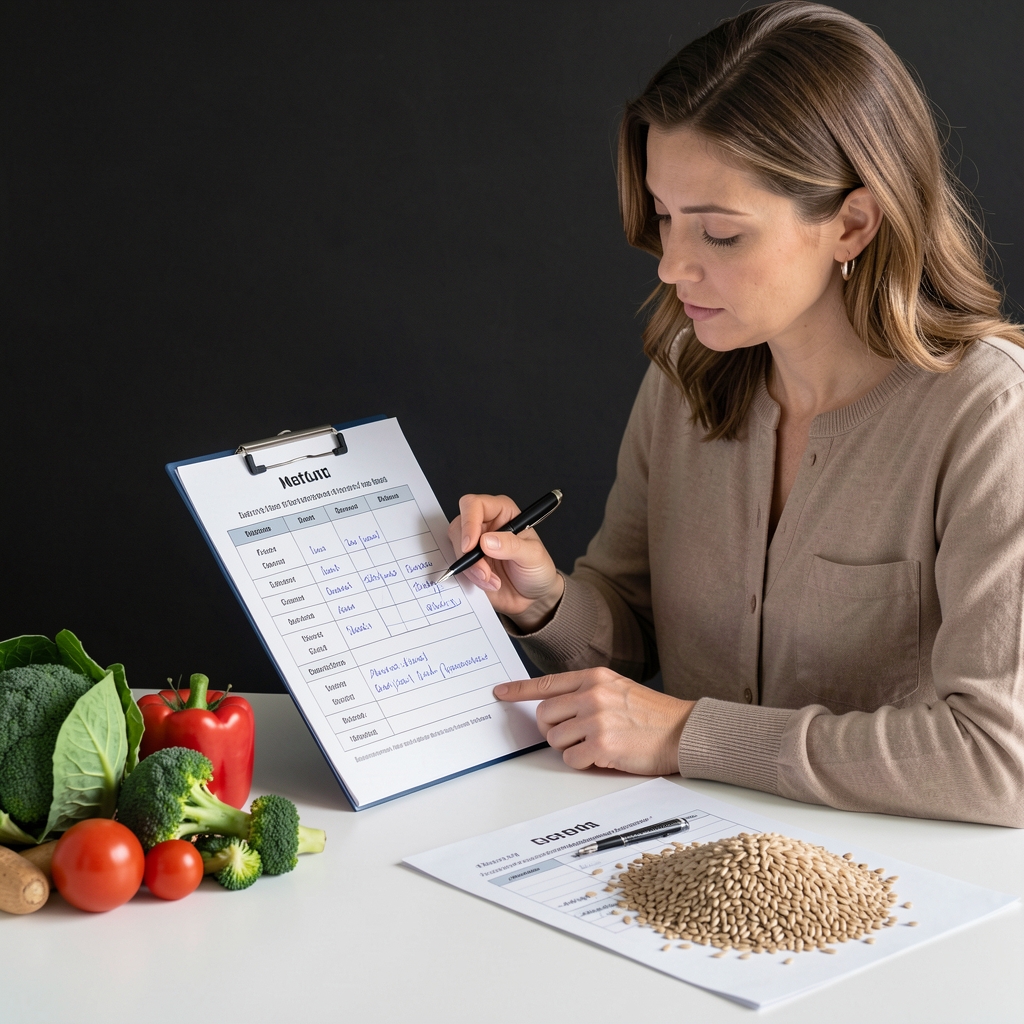
Intake calibration session, London studio. Reference: B-12, archived March 2024.
Eating as a measurable, revisable, documented process.
The field of everyday nutrition is cluttered with programmes that prioritise speed over accuracy. Granel takes the opposing position: food choices are recorded, ingredient provenance is verified, and composition reviews are scheduled at defined intervals — not retrospectively when an outcome has already diverged.
Healthy eating habits are not the product of restriction. They emerge from a structured understanding of macronutrient ratios, micronutrient density, and the role of seasonal cooking in maintaining dietary variety. The Granel methodology documents each of these variables as part of a continuously updated eating pattern record.
This is nutritionist guidance applied at a technical level: batch-verified ingredient sourcing, portion control calibrated to activity data, and mindful eating practices grounded in published research rather than trend cycles. The result is a real-food approach that holds up to scrutiny over weeks and months, not just days.
"Balanced meals are not an aesthetic preference. They are a compositional standard — one that can be defined, recorded, and adjusted with the same precision applied to any other technical discipline."
A four-stage protocol from assessment to long-term habit record.
Baseline Assessment
Comprehensive intake review: three-day food diary, macronutrient ratio calculation, micronutrient gap identification, and activity level baseline recording.
Compositional Planning
Meal architecture designed against verified nutritional targets. Ingredient sourcing guidelines, portion methodology, and seasonal produce mapping integrated into a structured weekly plan.
Active Calibration
Fortnightly check-in sessions for intake documentation review, gut-friendly recipe introduction, and composition adjustment based on recorded progress and eating pattern analysis.
Habit Verification
Final-phase audit of established eating patterns. Long-term habit record compiled and archived, with a summary composition review confirming alignment with agreed nutritional targets.
Common questions on practice and process.
These are the questions most frequently submitted prior to an initial consultation. Responses are drawn directly from Granel practice documentation.
Diet refers to the sum of food consumed. Nutrition guidance applies compositional analysis to that diet — identifying macronutrient ratios, micronutrient density, and food quality relative to an individual's established intake record. Granel distinguishes between the two at every stage of the protocol.
Portion control in the Granel protocol is calibrated to activity level data and energy expenditure baselines, not generic averages. Each meal plan specifies composition by weight and volume for primary food groups, with documented rationale for each target figure.
Seasonal produce maintains higher micronutrient density at point of consumption than out-of-season alternatives transported under extended cold-chain conditions. The Granel seasonal produce mapping integrates UK harvest cycles into meal planning to sustain dietary variety and ingredient quality across all four quarters.
At Granel, mindful eating is approached as a structured behavioural protocol — not a philosophical stance. It involves timed meal windows, distraction-reduction at mealtimes, and post-meal satiety recording. These data points are reviewed fortnightly alongside the compositional intake record.
Gut-friendly recipe selection draws on published nutritional research covering fermented ingredient profiles, dietary fibre density, and prebiotic food composition. Each recipe in the Granel archive carries a composition review notation referencing the primary research source and batch-verification date.
We recommend speaking with a qualified wellness or nutrition professional before introducing any new dietary programme to your daily routine, particularly if you have specific dietary requirements. The Granel initial consultation is designed to capture this context before any compositional planning commences.
Granel accepts new consultations on a documented-intake basis.
The initial session covers baseline dietary composition assessment and a review of current eating patterns. All sessions are conducted at the London practice and documented for follow-up reference.